Introduction
Paraparesis is a medical condition that causes weakness in both legs. This weakness can make walking or standing difficult. Many people wonder what causes paraparesis and how it can be managed. In this blog, we will explain the symptoms, causes, diagnosis, and rehabilitation options for paraparesis. We will also share helpful tips for daily life and prevention.
What is Paraparesis?
Paraparesis means partial weakness or loss of movement in both legs. It is different from paralysis, which is a complete loss of movement. People with paraparesis may still move their legs, but not as strongly as before. Often, the weakness comes from problems in the spinal cord or nerves. According to the World Health Organization, nerve and spinal cord injuries are common causes of leg weakness.
Common Symptoms of Paraparesis
Symptoms of paraparesis can vary from person to person. However, some signs are more common. Early detection can help with better treatment. Look for these symptoms:
Sometimes, people may also notice changes in bladder or bowel control. If you see these signs, it is important to seek medical advice.
Causes and Risk Factors
There are many causes of paraparesis. Some are sudden, while others develop slowly. Knowing the cause can help guide treatment. Common causes include:
Risk factors include older age, family history of nerve diseases, and unsafe work or sports activities. In addition, some infections or poor nutrition can raise the risk.
How Paraparesis is Diagnosed
Doctors use several steps to diagnose paraparesis. First, they ask about your symptoms and medical history. Next, they perform a physical exam to check muscle strength and reflexes. Often, doctors order tests to find the cause. These may include:
Early diagnosis helps start the right treatment. Therefore, do not delay seeing a doctor if you notice symptoms.
Rehabilitation and Treatment Options
Treatment for paraparesis depends on the cause and severity. However, most people benefit from a mix of medical care and rehabilitation. Common treatment options include:
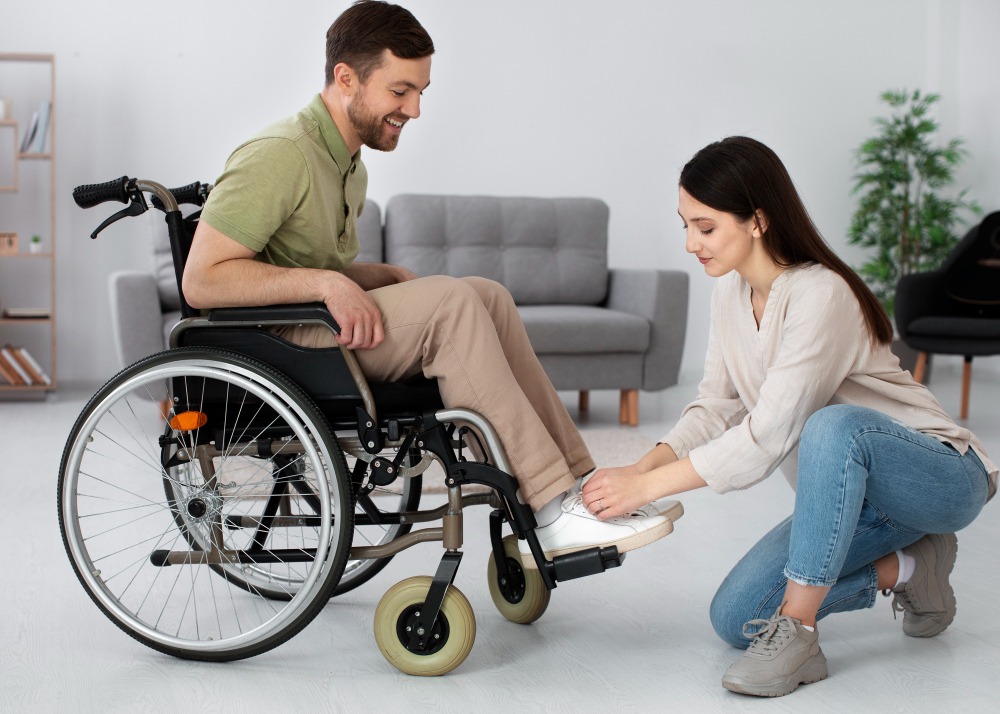
Rehabilitation is key for recovery. According to the CDC, regular physiotherapy can help many people regain movement and independence. In addition, support from family and friends can make a big difference.
Lifestyle Tips and Prevention
While not all cases of paraparesis can be prevented, some steps may lower your risk. Here are some helpful tips:
Moreover, following your rehabilitation plan can help you recover faster and prevent further problems.
Conclusion
Paraparesis can affect daily life, but early diagnosis and proper care can help. With the right treatment and support, many people improve their strength and independence. Consult a rehabilitation specialist for personalized advice on managing paraparesis.