Posture problems and falls in the elderly are common health concerns. As people age, they may notice changes in how they stand or walk. These changes can lead to falls, which are a leading cause of injury in seniors. Because falls can affect independence and quality of life, it is important for older adults and their families to understand the risks. In this blog, we will explore posture problems, why they happen, and how to prevent falls. We will also discuss ways to improve balance and stay safe at home.
Common Posture Problems in the Elderly
Many seniors experience changes in posture as they age. These issues can affect balance and movement. Below are some typical posture problems:
Causes of Posture Problems and Falls
There are several reasons why posture problems and falls in the elderly occur. First, age-related changes can weaken muscles and bones. Also, joints may become stiff, making movement harder. In addition, some seniors have neurological conditions, such as Parkinson’s disease, which can affect balance. Medications may cause dizziness or drowsiness, increasing fall risk. Furthermore, poor vision or hearing can make it harder to notice hazards. Because these factors often combine, it is important to address them early.
Symptoms and Warning Signs
It is important to watch for signs that may point to posture problems or a higher risk of falling. Look out for these warning signs:
Diagnosis and Assessment
Healthcare professionals use several methods to diagnose posture problems and assess fall risk. First, they may ask about recent falls or changes in movement. Next, they will check muscle strength, joint flexibility, and balance. Common tests include the Timed Up and Go (TUG) test, which measures how quickly a person can stand up, walk, and sit down. Sometimes, doctors may order X-rays or other scans to look at bones and joints. Because early assessment helps prevent injuries, regular check-ups are important.
Treatment and Rehabilitation
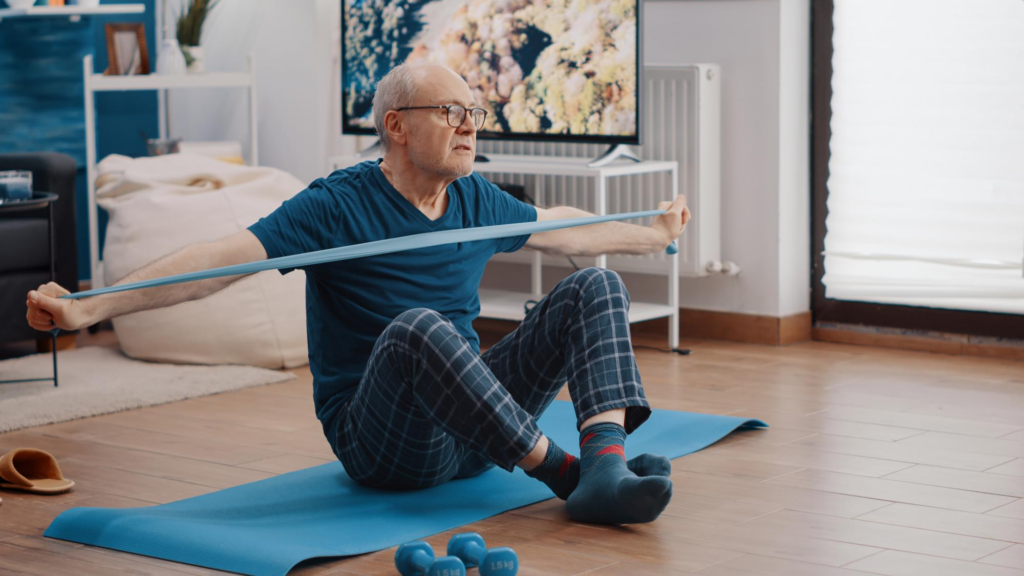
Treatment for posture problems and falls in the elderly often includes physiotherapy. A physiotherapist can teach exercises to strengthen muscles and improve balance. For example, gentle stretching can help with joint stiffness. Balance training, such as standing on one foot, can reduce fall risk. Assistive devices, like canes or walkers, may also help. In addition, wearing proper shoes with non-slip soles can make walking safer. Because everyone’s needs are different, a personalized plan works best.
Prevention Tips
There are many ways to prevent posture problems and falls. Seniors and caregivers can take these simple steps:
When to Seek Medical Help
If an elderly person falls or shows sudden changes in posture, seek medical help right away. Also, if there is ongoing pain, weakness, or trouble walking, a doctor should evaluate the problem. Early treatment can prevent further injury and improve quality of life.
Conclusion and Call-to-Action
In summary, posture problems and falls in the elderly are serious but preventable. With early action, regular exercise, and a safe home, seniors can stay independent and healthy. Consult a physiotherapist or healthcare provider for personalized guidance on posture and fall prevention.