Introduction
ESWT for tendonitis is a non-surgical treatment that uses sound waves to help heal tendon pain. ESWT stands for Extracorporeal Shockwave Therapy. Many people with tendon injuries try ESWT when other treatments do not work. In fact, shockwave therapy for tendon pain is growing in popularity. It is often used as a non-surgical tendonitis treatment and is part of physiotherapy for tendon injuries. If you want to learn how ESWT can help, this guide will explain everything in simple terms.
What is ESWT?
ESWT stands for Extracorporeal Shockwave Therapy. It uses strong sound waves sent through the skin to the sore area. These waves help the body heal by increasing blood flow and breaking down scar tissue. Doctors and physiotherapists use ESWT for many tendon problems. For example, it is used for tennis elbow, Achilles tendonitis, and shoulder pain. ESWT is a safe, non-invasive option for people who want to avoid surgery.
How Does ESWT Work for Tendonitis?
First, ESWT sends shockwaves into the injured tendon. These waves cause small changes in the tissue. As a result, the body starts to heal itself. The shockwaves help by:
Because of these effects, ESWT can help reduce pain and improve movement. Many people feel better after a few sessions. However, results may vary from person to person.
Common Symptoms and Causes of Tendonitis
Tendonitis means the tendon is swollen or irritated. Usually, it causes pain near a joint. For example, you may feel pain in your elbow, shoulder, or heel. Other symptoms include:
Often, tendonitis happens because of overuse. Repeating the same movement can strain the tendon. Sometimes, a sudden injury or poor posture can also cause tendonitis. Age and certain health conditions may increase your risk as well.
Diagnosis: When is ESWT Recommended?
Doctors diagnose tendonitis by asking about your symptoms and checking the sore area. Sometimes, they use ultrasound or MRI scans to see the tendon. ESWT is usually recommended when:
However, not everyone is a good candidate for ESWT. Your doctor or physiotherapist will decide if it is right for you.
Benefits and Effectiveness of ESWT for Tendonitis
Many studies show that ESWT can help people with tendon pain. Some key benefits include:
According to research published in medical journals, many patients feel less pain after a few weeks. In addition, ESWT may help people return to daily activities faster. However, results can depend on the type of tendonitis and your overall health.
What to Expect During ESWT Treatment
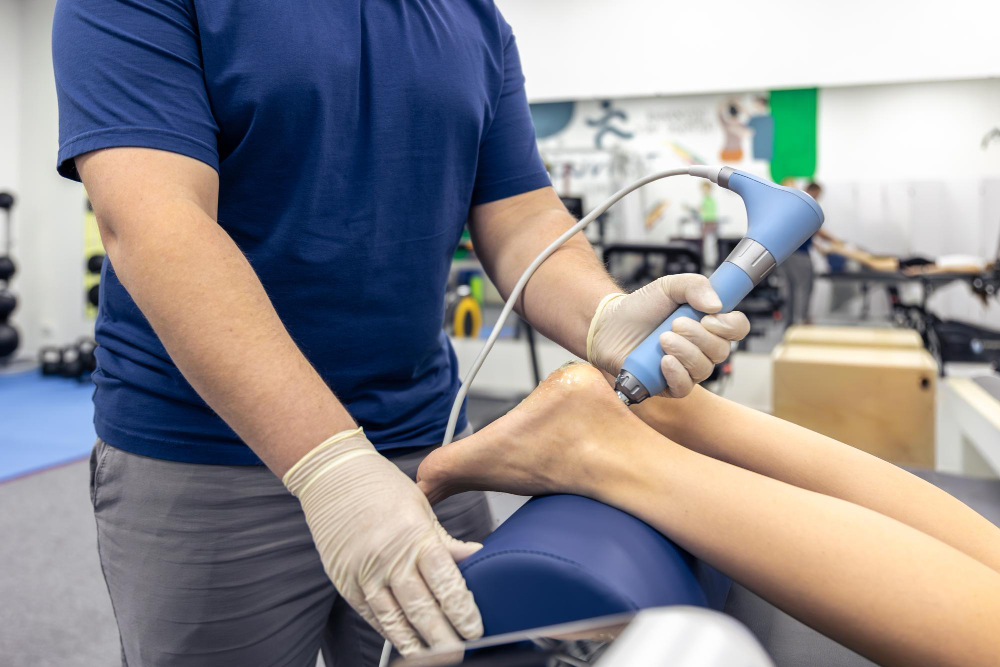
Before treatment, your doctor will explain the process. Usually, you will sit or lie down comfortably. A gel is placed on the skin to help the shockwaves reach the tendon. Then, a small device sends sound waves into the sore area. Each session lasts about 15 to 20 minutes. Most people need three to five sessions, spaced one week apart. You may feel mild discomfort during treatment, but it is usually brief. Afterward, you can go home and return to normal activities.
Safety, Side Effects, and Contraindications
ESWT is safe for most people. However, like any treatment, it can have side effects. Common side effects include:
These effects usually go away within a few days. But, ESWT is not for everyone. It is not recommended if you are pregnant, have a blood clotting disorder, or use blood thinners. People with certain infections or tumors should also avoid ESWT. Always tell your doctor about your health history before starting treatment.
Lifestyle Tips for Tendonitis Recovery
Along with ESWT, healthy habits can speed up recovery. Try these tips:
Additionally, always listen to your body. If pain returns, stop the activity and talk to your doctor.
Prevention: How to Reduce Tendonitis Risk
Preventing tendonitis is possible with a few simple steps. For example:
Because prevention is easier than treatment, these habits can help keep your tendons healthy.
Conclusion
In summary, ESWT for tendonitis is a safe and effective option for many people with tendon pain. It offers a non-surgical way to help your body heal. If you think shockwave therapy for tendon pain might help you, consult a physiotherapist or healthcare provider. They can guide you to the best treatment for your needs.