Introduction
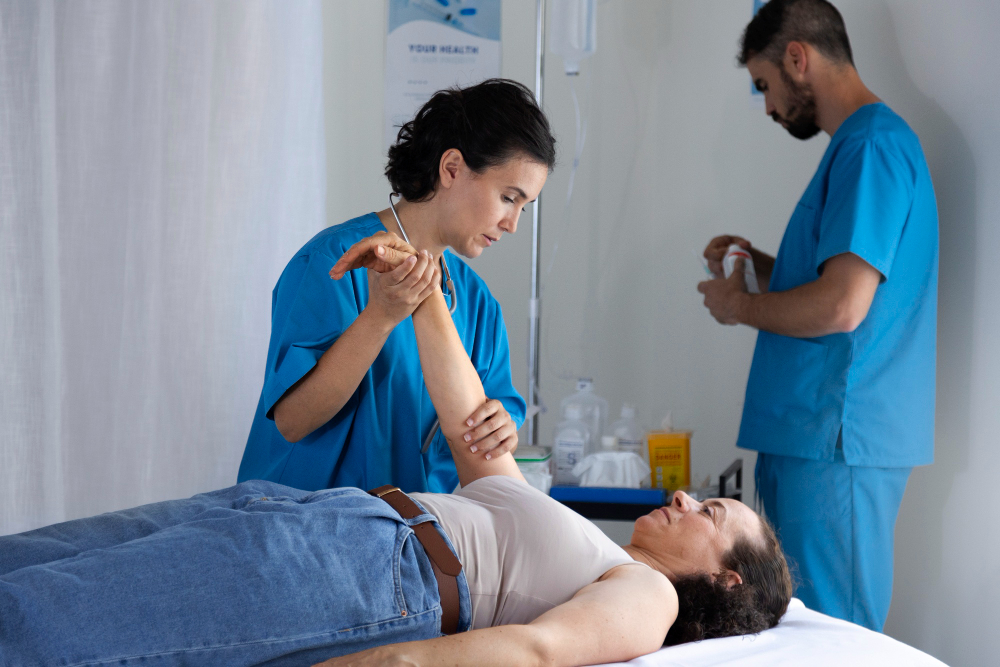
Effective rehabilitation after surgery is key to a safe and smooth recovery. Rehabilitation means the steps you take to regain strength, movement, and function after an operation. For many people, this process includes post-surgical physiotherapy, special exercises, and lifestyle changes. Because every surgery is different, your recovery plan should fit your needs. With the right approach, you can heal faster and lower your risk of problems. According to the World Health Organization (WHO), proper rehabilitation helps people return to daily life sooner and with less pain.
Common Challenges After Surgery
After surgery, many people face some common problems. For example, you may feel pain, stiffness, or weakness. Sometimes, swelling or trouble moving a joint can slow your progress. In addition, you might feel tired or worried about your recovery. These challenges are normal, but they can make healing harder if not managed well. However, knowing what to expect can help you prepare and stay positive.
Key Components of Effective Rehabilitation
To recover well, your rehabilitation plan should include several important parts. Each one plays a role in helping you heal and get back to your normal life.
With these steps, you can support your body’s healing and avoid setbacks.
Steps to a Successful Recovery
There are several steps you can take to make your recovery smoother and safer. Each step helps you stay on track and reach your goals.
By following these steps, you can make steady progress and avoid common mistakes.
Lifestyle Tips for Better Healing
Besides exercises, your daily habits can help you heal faster. For instance, eating healthy foods gives your body the fuel it needs. Drinking enough water helps your tissues repair. In addition, getting enough sleep allows your body to rest and recover. Try to avoid smoking and limit alcohol, as these can slow healing. If you need help, ask your care team for advice on healthy habits.
Prevention of Complications During Rehabilitation
It is important to watch for signs of problems during rehabilitation. For example, sudden swelling, redness, or fever could mean an infection. In some cases, you may feel sharp pain or notice your wound is not healing. To prevent complications, always keep your wound clean and dry. Also, do not skip your exercises unless your doctor says so. If you feel unsure about any symptom, contact your care team right away.
When to Seek Professional Help
Sometimes, you may need extra support during recovery. If you have severe pain, trouble moving, or signs of infection, seek help quickly. In addition, if you feel sad or anxious about your progress, talk to your doctor or a counselor. Early help can prevent bigger problems and keep you on the path to healing.
Conclusion and Call-to-Action
In summary, effective rehabilitation after surgery is vital for a safe and full recovery. By following your care plan, staying active, and watching for problems, you can heal well. For the best results, consult a physiotherapist or rehabilitation specialist. They can give you a plan that fits your needs and helps you return to your daily life with confidence.